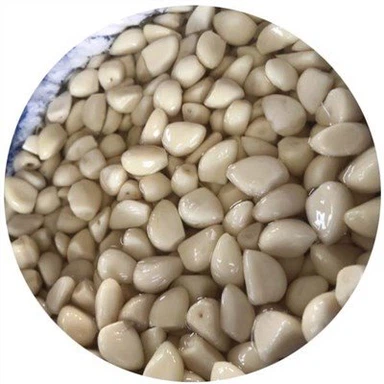

What are the key steps involved in the pickling process of brine garlic?
May 28, 2024
The pickling process of brine garlic involves several key steps to ensure the product is preserved, flavorful, and safe for consumption.
Here's a general outline of the process:
Selection of Fresh Garlic: Choose fresh, firm, and undamaged garlic bulbs that are free from blemishes or signs of spoilage.
Cleaning: Thoroughly wash the garlic to remove any dirt or debris. This step is crucial to prevent contamination.
Preparation: Depending on the desired final product, the garlic may be peeled, trimmed, or left whole. Some recipes may call for slicing or crushing the garlic.
Brine Creation: Prepare the pickling brine, which typically consists of water, salt, and sometimes sugar. The salt content is crucial for the preservation process. Additional flavorings such as vinegar, spices, and herbs can also be added to the brine.
Heating: Some methods may involve heating the brine to dissolve the salt and sugar completely and to sterilize the solution.
Soaking: Soak the prepared garlic in the brine for a period of time. This can vary from a few hours to several days, depending on the desired level of pickling and flavor intensity.
Packaging: Once the garlic has reached the desired level of pickling, it is packed into jars or other airtight containers. The brine should completely cover the garlic to ensure it remains submerged.
Sealing: The containers are sealed to prevent the entry of air and bacteria, which could spoil the garlic.
Curing: The sealed containers are left to cure at room temperature or in a cool place for a period of time, which can range from a few weeks to several months. This allows the flavors to develop and the garlic to fully pickle.
Storage: After curing, the pickled garlic can be stored in a cool, dark place. Refrigeration can be used for longer-term storage.
Quality Control: Throughout the process, regular checks should be made to ensure the quality and safety of the product.
Labeling: The final product should be labeled with all necessary information, including the ingredients, nutritional information, expiration date, and any specific storage or consumption instructions.

It's important to note that the exact process can vary based on the specific recipe or method being used, as well as the type of garlic and the desired flavor profile. Additionally, some commercial producers may use slightly different methods or equipment to achieve a consistent product.