
What is the typical shelf life of brine garlic and how can it be extended?
May 31, 2024
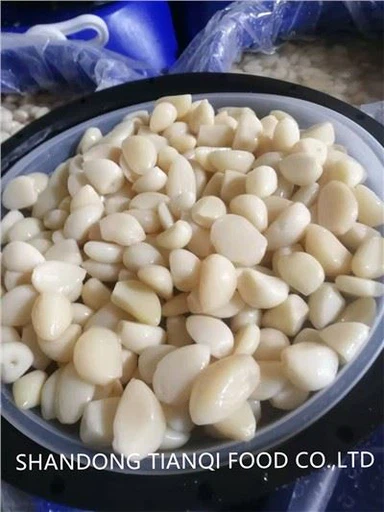
The typical shelf life of brine garlic, a type of pickled garlic, can vary based on the processing and storage conditions, but it generally has a relatively long shelf life due to the pickling process.
Here's how the shelf life can be extended and what factors influence it, incorporating information from the search results:
- Proper Pickling Process: Ensuring that the garlic is properly pickled in a brine solution with the correct concentration of salt is crucial for preservation. The pickling process involves soaking the garlic in a brine that typically includes salt, which inhibits bacterial growth.
- Storage Conditions: As with many pickled products, brine garlic should be stored in a cool, dark place after processing. The storage conditions must be maintained to preserve the quality and extend the shelf life.
- Airtight Packaging: The use of airtight containers is essential to prevent the entry of air and bacteria, which can spoil the garlic. Containers should be filled to ensure the garlic is fully submerged in the brine, which adds an extra layer of protection.
- Avoiding Contamination: Keeping the garlic submerged in the brine prevents exposure to air and bacterial contamination. The use of a weight or a bamboo curtain to keep the garlic under the brine has been suggested.
- Cool Chain: Rapid cooling after harvesting and maintaining a cool temperature throughout the cold chain is emphasized to ensure high-quality garlic with an enhanced shelf-life.

- Use of Preservatives: While some prefer a natural approach, the use of preservatives such as citric acid can help restore the garlic to a light yellow color and prevent mold and off-flavors.
- pH and Salinity Control: Controlling the pH and salinity of the brine is critical. It's recommended to raise the salinity of the brine to above 22 °Bé and lower the pH to below 2.5 to inhibit the growth of certain microorganisms.
- Natural Alternatives: There's a trend towards using natural alternatives to traditional preservatives. For instance, vegetable juice extracts can be used as a natural preservative, although they can be more expensive.
- Temperature Control: Storing brine garlic in a refrigerator can extend its shelf life. Further extending the storage temperature to just above freezing (ice temperature preservation) can provide an even longer shelf life, although this may increase storage and logistics costs.
- Consumer Practices: Consumers should be advised to purchase brine garlic before its expiration date and consume it within the recommended period for optimal quality and safety.
- Quality Assurance: Regular checks for quality and safety should be conducted throughout the storage period, which may include visual inspections and taste tests, as well as microbiological testing to ensure the product remains safe for consumption.
It's important to note that while these methods can extend the shelf life of brine garlic, the product should always be consumed before the 'best before' date and in accordance with the manufacturer's instructions. Even with proper storage, the quality of the product will gradually decline over time, and it's essential to discard any product that shows signs of spoilage or exceeds its use-by date.