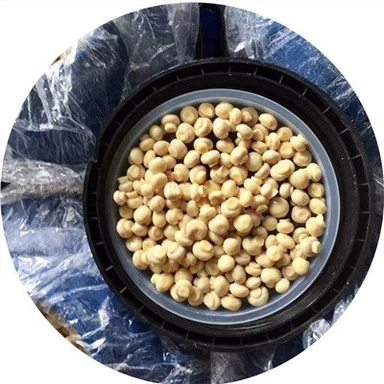

Technical Guide: 20-25 Brix White Garlic in Brine
Jul 29, 2026
20-25 Brix white garlic in brine is an industrial-grade food raw material where raw garlic cloves are preserved in a hypertonic solution of sodium chloride and organic acids to achieve a soluble solids concentration of 20% to 25%. This precise refractometric standard stabilizes cellular structure, inhibits pathogenic microbial proliferation, and ensures structural integrity during high-volume thermal processing. For global food manufacturers and commercial seasoning producers, sourcing garlic at 20-25 Brix guarantees consistent drained weight yields and long-term storage stability without thermal degradation.

01
Defining Brix in Garlic Brine Preservation
In garlic processing, Brix measures total soluble solids (TSS) in the equilibrium liquid, dominated by dissolved sodium chloride (NaCl), naturally occurring carbohydrates (fructans), and added acidulants like citric or acetic acid. When raw garlic cloves are submerged in brine, osmotic pressure drives water out of the garlic tissues while salt ions penetrate the cell walls until equilibrium is reached.
A target range of 20-25 Brix represents the optimal hypertonic threshold for industrial applications:
Above 26 Brix: Excessive salt concentration induces severe cell plasmolysis, causing severe shrinkage of the clove matrix, tough textural profiles, and undesirable salty taste profiles that require costly desalting stages prior to processing.
02
Measurement Methodologies for Quality Control Protocol
Accurate measurement of Brix in preserved garlic requires strict sampling protocols. Measuring liquid directly from a freshly opened drum will yield inaccurate readings due to active osmotic exchange.
Step-by-Step Testing Standard
Equilibrium Verification: Ensure the garlic batch has cured in brine for a minimum of 21 days post-packing. Brix levels fluctuate significantly during the initial 14-day osmotic adjustment phase.
Sample Homogenization: Extract both brine liquid and intact cloves in a 1:1 weight ratio. Macerate the cloves using a laboratory blender to integrate tissue-bound moisture with ambient liquid, simulating the true mass balance.
03
Preservation Mechanics and Impact on Industrial Shelf-Life
Enzymatic softening in raw garlic is primarily driven by endogenous polygalacturonasesbreaking down pectin polymers. The hypertonic brine state alters enzymatic conformation,effectively deactivating cell-wall degrading enzymes. This allows cloves to maintain crispfirmness (> 12 N/cm" rupture force) throughout long-distance maritime transport and multi-
year storage.Shelf-Life Expectations by Packaging Type 50kg Food-Grade HDPE Drums: 24 months shelf-life stored at ambient temperatures (15℃-25℃).180kg Food-Grade HDPE Drums:: 24 months shelf-life optimized for high-volume export and bulk processing plants.