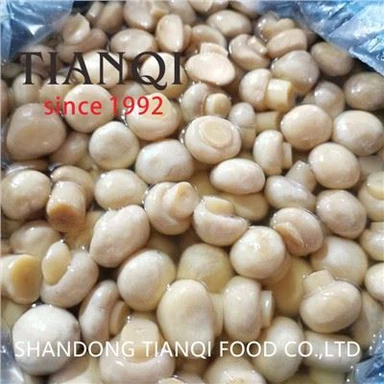

Production and Preservation of Mushrooms in Vinegar
Oct 15, 2024
Mushrooms in vinegar, often used as a condiment or ingredient in various cuisines, combine the earthy flavor of mushrooms with the tanginess of vinegar.
The production process involves several key steps:

Selection of Mushrooms: Common varieties include button mushrooms, shiitake, and portobello. The choice depends on the desired flavor and texture. Fresh, high-quality mushrooms are essential for the best product.
Preparation: Mushrooms are typically cleaned and trimmed. Depending on the recipe, they may be sliced or left whole. Pre-cooking methods like blanching or sautéing can enhance flavor and texture.
Vinegar Marinade: A marinade is prepared using vinegar (often apple cider or white wine vinegar), water, salt, and spices (like garlic, herbs, or peppercorns). The vinegar acts not only as a flavor enhancer but also as a preservative, extending shelf life.
Fermentation Process: The mushrooms are submerged in the marinade and left to marinate for a period, usually ranging from a few days to several weeks. This process allows the mushrooms to absorb flavors while the acidity helps inhibit spoilage.
Packaging and Storage: After marination, mushrooms can be packed in jars with the vinegar solution. Proper sealing and storage in a cool, dark place are crucial for maintaining quality and safety.
The market for mushrooms in vinegar is driven by consumer interest in gourmet foods and natural preservatives. Specialty food stores and online retailers often feature these products, catering to a growing demand for artisanal and unique culinary ingredients.