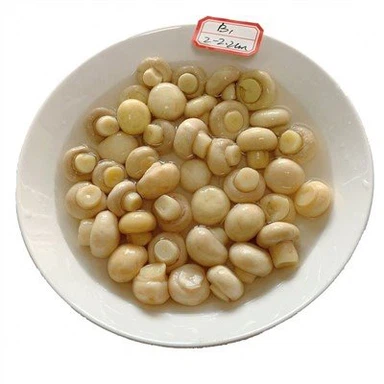

Global Garlic Supply | Bulk Export & Shipping Solutions
Nov 25, 2026
Overcoming Shipping Challenges in Global Garlic Supply
The global garlic supply chain depends on more than raw material availability and processing capacity. For industrial buyers importing garlic in brine, containerized shipments are affected by freight rate volatility, equipment shortages, port congestion, transit time fluctuations, and destination-side clearance requirements. Managing these risks requires shipment planning based on cargo specifications, container availability, shipping schedules, and realistic delivery windows.
For bulk food manufacturers, a reliable garlic supplier should coordinate production readiness, container loading, export documentation, and shipping arrangements to reduce disruptions between factory dispatch and destination port arrival.
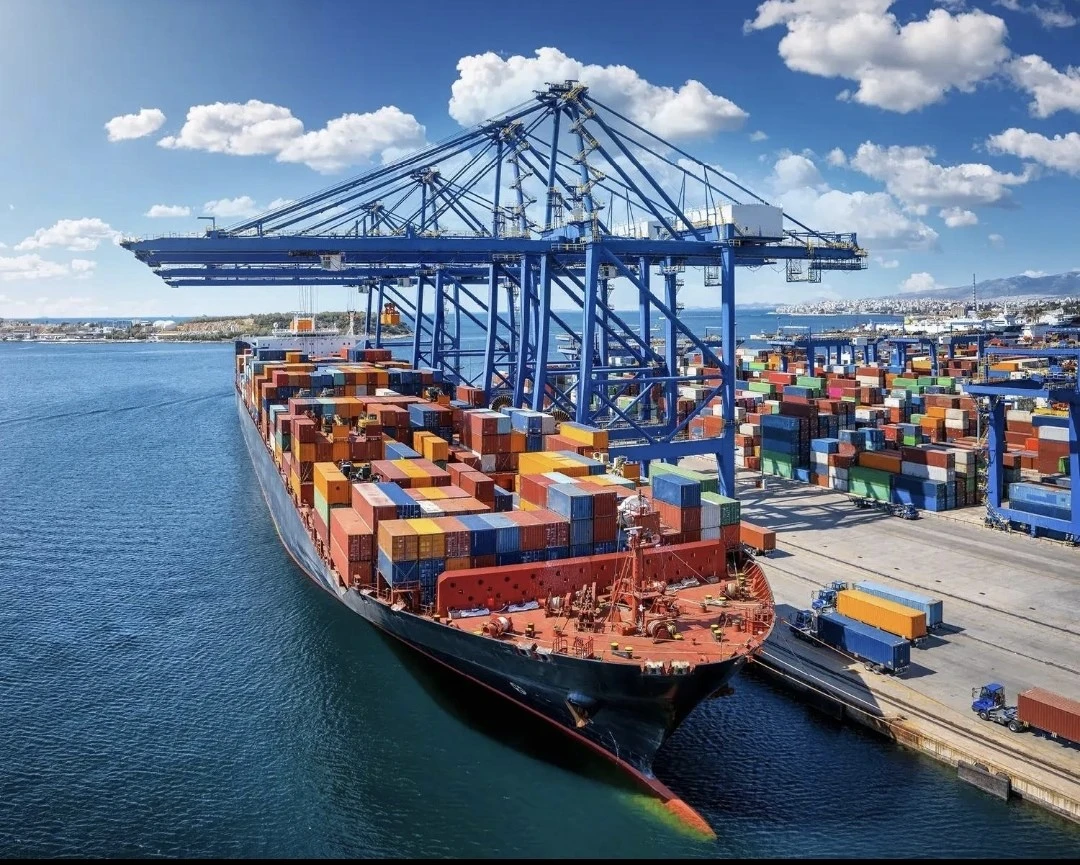
Freight Rate Volatility in the Global Garlic Supply Chain
Ocean freight is one of the largest variables in the landed cost of bulk garlic imports. Freight rates can change significantly depending on carrier capacity, trade lane demand, fuel surcharges, seasonal export peaks, equipment imbalance, and geopolitical disruptions.
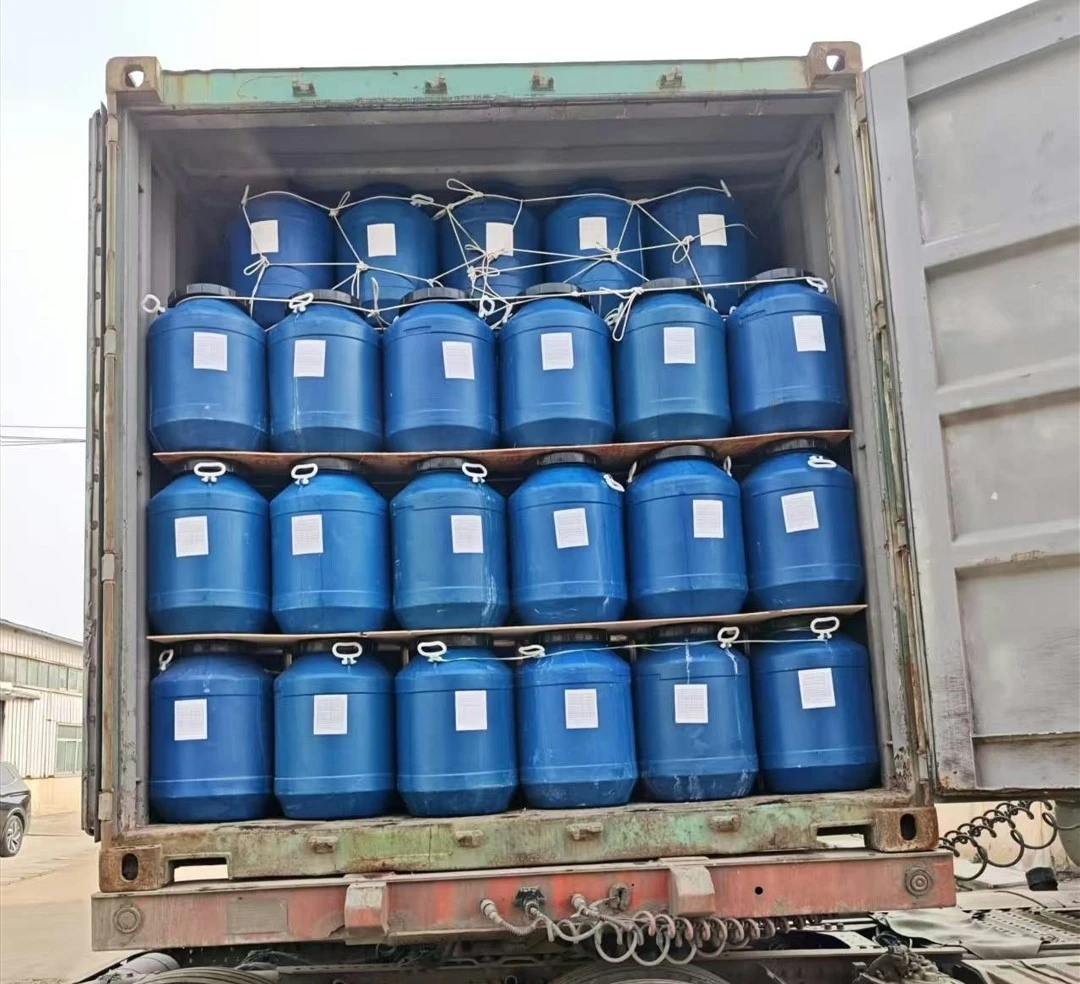
For importers purchasing garlic in 50kg food-grade drums, a freight increase directly affects the cost per metric ton and the final production cost of canned, pickled, or processed garlic products.
Container Availability and Equipment Shortages
Container availability is a recurring challenge in the global garlic supply chain. Export demand, empty-container positioning, carrier allocation, regional port imbalances, and seasonal cargo volumes can all affect the availability of 20-foot and 40-foot containers.
For food ingredients packed in brine, container selection is not based on volume alone. Payload restrictions, drum arrangement, cargo stability, leakage prevention, and container condition must also be considered.
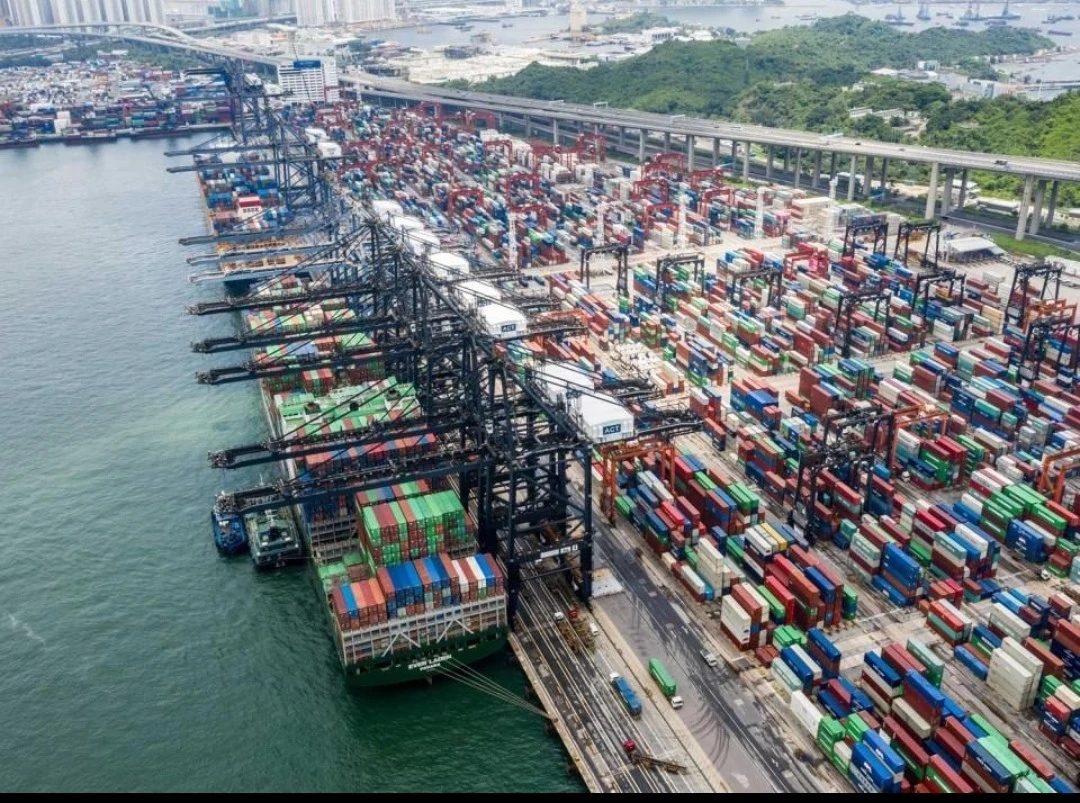
Port Congestion and Shipping Delays: Practical Workarounds
Port congestion can disrupt delivery schedules even when the cargo has been produced, inspected, and loaded on time. Congestion may occur at origin ports, transshipment hubs, or destination ports due to vessel bunching, terminal capacity limitations, labor disruptions, weather conditions, customs inspections, or changes in shipping routes.
For food-processing factories operating under production schedules, a delayed container of garlic can affect raw material inventory planning, processing capacity, and finished-product delivery commitments.
Frequently Asked Questions (FAQ)
What is the typical MOQ for bulk garlic in brine shipped in industrial drums?
MOQ depends on the garlic specification, drum size, production schedule, and destination market. For export orders, full-container shipments are generally more practical for bulk purchasing. Buyers can request current MOQ and loading estimates based on their required packaging.
How can importers reduce shipping delays when purchasing garlic from China?
Importers can reduce delays by confirming production schedules early, securing container bookings in advance, selecting suitable shipping routes, preparing customs documents before vessel departure, and maintaining alternative carrier or port options.
Are 50kg food-grade drums safe for ocean shipping of garlic in brine?
Yes, industrial food-grade drums can be suitable for ocean shipping when the packaging is designed for the product, closures are properly secured, drums are inspected before loading, and cargo is correctly arranged and secured inside the container. Container condition and loading procedures should also be checked to reduce leakage and handling risks.
Request a Bulk Garlic Supply Quotation
Shandong Tianqi Food Co., Ltd. supports international buyers sourcing bulk garlic in brine for canning, food processing, and industrial applications.
For your next procurement inquiry, please provide:
- Product specification and garlic type
- Whole garlic or processed garlic requirements
- Drum size and packing requirements
- Estimated quantity in MT or containers
- Destination port
- Preferred shipment period
- Required certificates and destination compliance standards