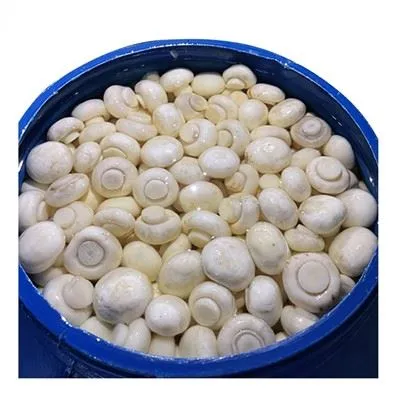

Do you know mushroom in brine?
Sep 03, 2024
Processing technology: The processing of salted mushroom includes the steps of picking, grading, rinsing, killing, cooling, fixing color, pickling, storage, packaging and transportation. Pick the mushrooms lightly to avoid damaging them. The classification is designed to meet the needs of different markets. Rinsing removes impurities, while rinsing kills cells by treating them at high temperatures to prevent them from becoming discolored. Cooling is to quickly reduce the temperature of the mushroom and prevent spoilage. To fix the color, the mushrooms are soaked in salt water to make their color stable. Curing is the preservation of mushrooms in highly concentrated brine for long-term storage. Finally, after packaging and distribution, the brine mushrooms are ready for sale.
Nutritional value: The mushroom itself is a nutrient-rich ingredient, rich in protein, vitamins, minerals and so on. It contains a variety of vitamins such as vitamin D, vitamin B12, vitamin C and vitamin K, among others, as well as minerals such as iron, zinc, calcium and potassium. The fiber in mushrooms helps to promote intestinal motility and improve digestive function. In addition, mushrooms also contain some amino acids and polysaccharides that are good for the human body.
How to eat: Salted mushrooms usually need to be soaked and washed before eating to remove excess salt. After that, it can be cooked according to personal taste, such as stir-frying, boiling, roasting or making soup.
Caution: Be careful when picking mushrooms in the wild, as some can be poisonous. When buying and eating salted mushrooms, you should also pay attention to check their quality and avoid eating spoiled products.
The processing and consumption of salted mushrooms is a traditional method of food preservation, which not only allows people to enjoy the delicious taste of mushrooms in different seasons, but also provides the necessary nutrients for the human body.