
How Does Mushroom in Vinegar Contribute to Sustainable Food Practices?
Nov 01, 2024
As the world increasingly focuses on sustainable eating, mushroom in vinegar presents an excellent example of how we can make responsible food choices.
Here's how this product aligns with sustainable food practices:
Waste Reduction: Utilizing
mushrooms that might not meet aesthetic standards for fresh produce allows manufacturers to minimize food waste. By pickling these mushrooms, they can be preserved and enjoyed rather than discarded.
Long Shelf Life: The preservation process through vinegar extends the shelf life of mushrooms, reducing the frequency of grocery shopping and minimizing the carbon footprint associated with food transport and spoilage.

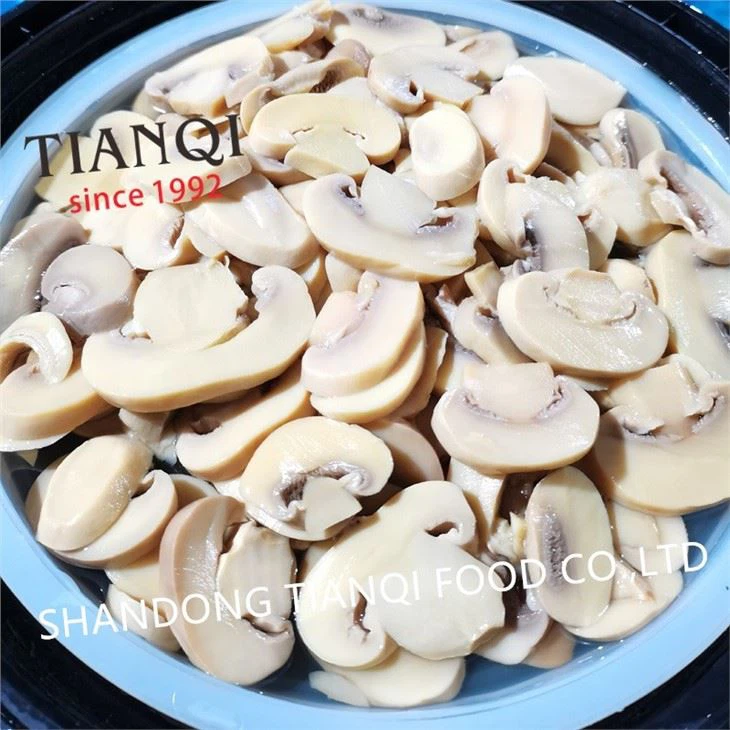
Local Sourcing: Many producers of mushroom in vinegar prioritize local sourcing of their ingredients. This supports local farmers and reduces transportation emissions, contributing to a more sustainable food system.
Seasonal Eating: Mushrooms in vinegar allow consumers to enjoy the flavors of seasonal produce year-round. This encourages a diet that reflects seasonal availability while promoting biodiversity in agriculture.
Nutrient Preservation: The pickling process preserves the nutritional content of mushrooms, making them a sustainable source of vitamins and minerals. Choosing nutrient-dense foods like mushroom in vinegar helps promote a healthier diet while reducing reliance on more resource-intensive food sources.
By choosing mushroom in vinegar, consumers can enjoy a delicious product while supporting sustainable food practices. It's a win-win for both taste and the planet!